Supreme Pizza / Slice 6 of 6
Wood-fired ovens, smoke and the people next door
In NSW, the clean air rules allow fires for recreational purposes such as cooking, as long as only dry seasoned wood, LPG, natural gas or proprietary barbecue fuel is burned, and councils can act if one becomes a public nuisance. On a Total Fire Ban day, the fire services of both NSW and Victoria say a wood-fired pizza oven cannot be used outdoors.
General information, not legal advice. The official places to check are your state’s environment protection authority, your fire service and your local council. Rules differ between states; this page covers NSW and Victoria.
What is in wood smoke
The NSW Environment Protection Authority (EPA) says wood smoke carries fine particles that reach deep into the lungs, along with harmful gases: carbon monoxide, nitrogen oxides and organic compounds, some of them toxic or cancer-causing. It says the particles can cause itchy or burning eyes, throat irritation and a runny nose, and can aggravate heart and lung conditions such as angina, emphysema and asthma. The EPA writes this about wood heaters, but it is a description of wood smoke itself.
EPA Victoria lists the people more sensitive to smoke, in its words:
- “infants and young children”
- “older people”
- “people with diabetes”
- “people with heart and blood vessel diseases, such as angina, heart failure and stroke”
- “people with lung conditions, such as asthma”
- “pregnant people”
It says they should reduce their exposure as much as possible.
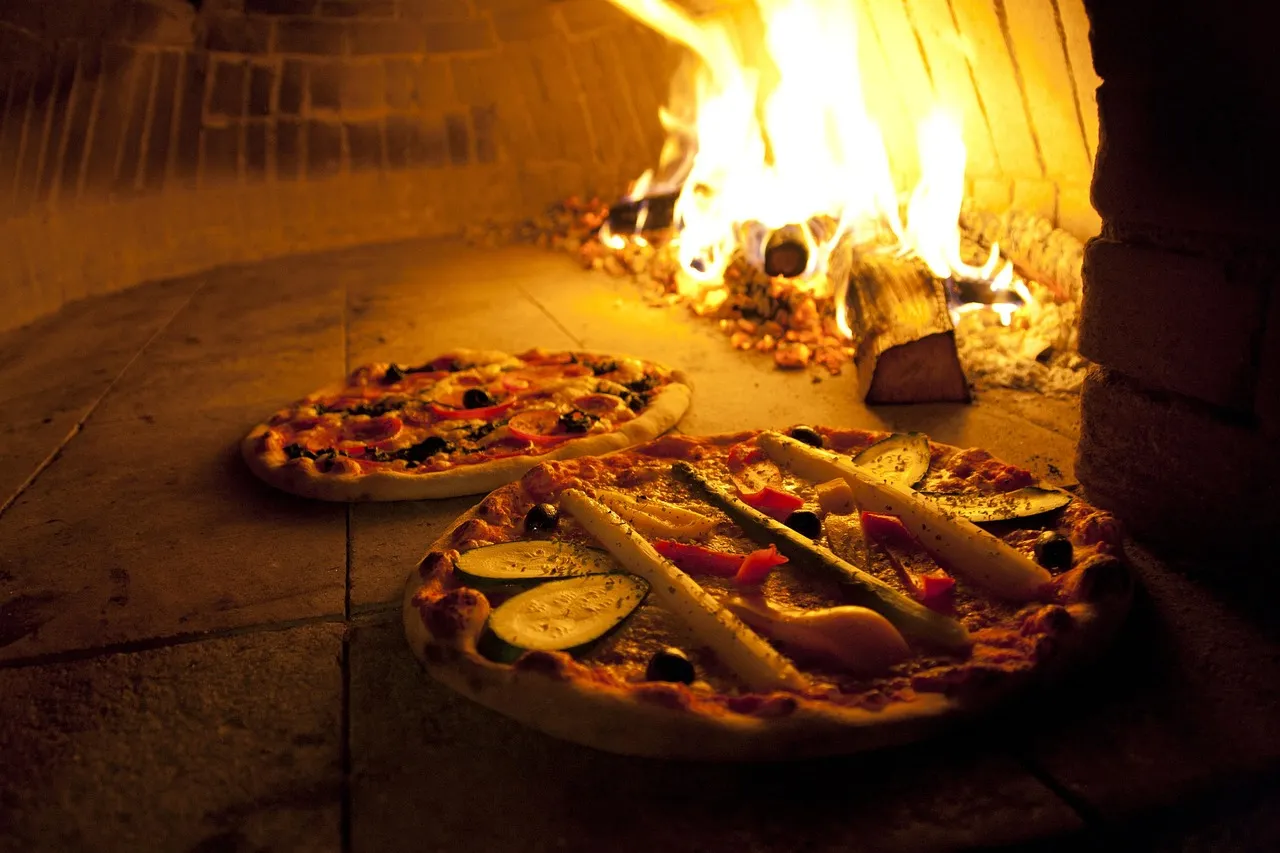
Your oven, and the oven next door
If the oven is yours
In NSW, the Protection of the Environment Operations (Clean Air) Regulation allows fires for recreational purposes such as cooking, provided the fuel is dry seasoned wood, LPG, natural gas or proprietary barbecue fuel; a little fire starter is allowed with the barbecue fuel.
It also carries general obligations to prevent or minimise air pollution: think about whether the smoke will reach anyone, given the wind direction, the weather and how long the fire will burn, and take reasonable steps to keep what you burn dry.
The EPA pages read for this guide carry no advice written for pizza ovens. The nearest is their advice for wood heaters, which both EPAs give in similar terms: burn dry, seasoned hardwood, and never burn rubbish, driftwood, or treated or painted wood.
If the smoke is coming over the fence
EPA Victoria’s first suggestion, for smoke from a neighbour’s wood heater, is to talk to them, since they may not know there is a problem. Your council can also give advice on wood smoke in your area.
In NSW, the EPA says councils can act, including ordering a fire to be put out or removed, if a fire lit for recreation such as cooking creates a public nuisance, and that councils can act if fire pits produce excessive smoke.
A wood-fired restaurant is different again. In NSW, the Food Authority says waste, pollution, noise or local environment issues from a food business are for the local council where the business is. In Victoria, EPA Victoria takes reports of smoke from commercial and industrial sources.
For excessive smoke from a neighbour’s chimney, the NSW EPA’s guidance, written for wood heaters, asks for a video showing smoke from the chimney for at least 10 minutes without stopping, with the plume reaching at least 10 metres from the chimney for at least 30 seconds; no people in the video, and no stepping onto private property to take it. It also asks for both addresses, the date and times, and the weather, and says to report quickly, because a council can only issue a smoke abatement notice within 7 days of the smoke being seen. You may be asked for a written statement or to give evidence in court. Whether a council treats an outdoor oven’s chimney the same way is a question for that council.
Fire ban days and the Fire Danger Period
Fire services restrict outdoor fires on high-risk days, and both NSW and Victoria name pizza ovens in their rules.
| Day or period | Wood-fired pizza oven outdoors |
|---|---|
| NSW, Total Fire Ban | Not allowed. Under the NSW RFS’s Total Fire Ban rules, lighting a pizza oven or barbecue outdoors is off limits for the whole ban if it burns solid fuel, for example wood, charcoal or heat beads. |
| NSW, No Burn Notice | The EPA may issue one outside the bushfire danger season, generally 1 April to 30 September, when smoke is likely to add to a build-up of air pollution. A notice lists the council areas and dates it covers and any exemptions, which include barbecues. Read the notice itself for what it allows. |
| Victoria, Total Fire Ban day | Not allowed. The CFA says that on a Total Fire Ban day, pizza ovens burning wood, coals, heat beads or any other solid fuel cannot be used in the open air. |
| Victoria, Fire Danger Period | Allowed only if every condition in the list below is met. |
The CFA’s conditions during Victoria’s Fire Danger Period
For cooking outdoors with a spit roast, pizza oven or food smoker using solid fuel, the CFA’s answer during the Fire Danger Period is no, unless all of these are true. Here they are in the CFA’s order, in this guide’s words:
- The wind is no more than 10 km/h, which the CFA describes as leaves gently moving in the breeze while branches stay still.
- The fire is lit in a trench at least 30 centimetres deep, or in what the CFA calls a properly constructed fireplace. The CFA defines that as one made of stone, metal, concrete or another non-flammable material that contains the edge of the fire, and counts a commercially made spit roast, outdoor cooker or barbecue as one.
- Everything within 3 metres of the edge and the top of the fire is clear of flammable material.
- The fire covers no more than 1 square metre, and the fuel used is no bigger or more than the job needs.
- Someone able to put the fire out, with the means to do it, stays with it the whole time it is alight.
- The fire is completely out before that person leaves.
The CFA notes that these conditions are for individuals; organisations, charities, clubs and commercial caterers have separate rules. The full list, with the CFA’s own wording, is on its ‘Can I or can’t I?’ page.